Reflections from the JBI gLOCAL Solution Room on Climate and Health
Climate change is no longer a distant environmental concern—it is one of the defining public health challenges of our time. From rising temperatures and extreme weather events to food insecurity, water scarcity, and the spread of infectious diseases, the health impacts of climate change are increasingly being felt across communities worldwide.
Against this backdrop, experts, researchers, healthcare professionals, policymakers, and community leaders gathered for the JBI gLOCAL Solution Room: Climate and Health – Evidence to Action Dialogues Between South Africa and India. The event provided an important platform for cross-country learning, knowledge exchange, and collaborative problem-solving, bringing together stakeholders from two regions facing both unique and shared climate-related health challenges.
Organized as part of the global JBI gLOCAL initiative, the Solution Room emphasized the importance of translating scientific evidence into practical actions that can strengthen health systems, protect vulnerable populations, and build climate resilience.
Climate Change: A Growing Public Health Emergency
The event opened with a recognition of the profound and far-reaching consequences of climate change on human health. Speakers highlighted how climate-related risks are increasingly affecting communities through heat stress, respiratory illnesses, vector-borne diseases, food insecurity, mental health challenges, and disruptions to healthcare services.
Participants explored the growing evidence linking environmental changes to adverse health outcomes and discussed the urgent need for health systems to adapt to evolving climate realities.
The discussions underscored that climate change is not only an environmental issue but also a social, economic, and health equity concern that requires coordinated action across sectors.
Learning Across Borders
One of the defining features of the Solution Room was the dialogue between experts from South Africa and India. Despite differences in geography, culture, and health systems, both countries face significant challenges related to climate vulnerability, population health, and resource constraints.
Presentations highlighted innovative approaches being implemented in both countries to address climate-related health risks. Participants shared experiences from research projects, community initiatives, healthcare programmes, and policy interventions designed to strengthen resilience and improve public health outcomes.
The exchange of knowledge demonstrated how countries can learn from one another’s successes and challenges, accelerating progress through collaboration and shared learning.
Bridging the Gap Between Evidence and Practice
A central theme throughout the programme was the importance of translating scientific evidence into meaningful action.
Researchers presented emerging evidence on climate-related health impacts, while practitioners discussed real-world experiences in implementing adaptation and mitigation strategies within communities and healthcare settings.
The conversations emphasized the role of evidence synthesis, implementation science, and knowledge translation in ensuring that research findings inform policies, programmes, and frontline healthcare delivery.
Participants explored how evidence can support decision-making processes and help prioritize interventions that are effective, equitable, and sustainable.
Protecting Vulnerable Communities
The Solution Room paid particular attention to the disproportionate impact of climate change on vulnerable and marginalized populations.
Speakers highlighted how communities with limited resources often face the greatest exposure to climate-related risks while having the fewest opportunities to adapt. Discussions examined the challenges faced by rural populations, Indigenous communities, women, children, older adults, and people living in environmentally sensitive regions.
The event reinforced the importance of community-centered approaches that empower local populations to participate in identifying risks, developing solutions, and building resilience.
Participants agreed that effective climate action must be grounded in equity, inclusivity, and social justice.
Strengthening Climate-Resilient Health Systems
As climate-related health challenges continue to intensify, health systems must evolve to respond effectively.
Throughout the event, speakers explored strategies for creating climate-resilient healthcare systems capable of anticipating, preparing for, and responding to environmental threats. Discussions focused on workforce preparedness, health infrastructure, surveillance systems, emergency response mechanisms, and intersectoral collaboration.
Participants highlighted the need for healthcare systems to move beyond reactive approaches and embrace proactive planning that integrates climate considerations into routine healthcare delivery and public health programming.
The conversations underscored that resilience is not built overnight—it requires sustained investment, innovation, and long-term commitment.
The Role of Communities in Climate Action
Community engagement emerged as a recurring theme throughout the programme.
Speakers emphasized that meaningful climate adaptation cannot be achieved solely through policy interventions or technological solutions. Instead, lasting change requires active participation from communities themselves.
Several presentations showcased examples of community-led initiatives that have strengthened environmental stewardship, improved health outcomes, and enhanced resilience to climate-related threats. These examples demonstrated how local knowledge and lived experiences can complement scientific evidence and contribute to more effective interventions.
The discussions reinforced the value of partnerships between researchers, healthcare providers, policymakers, and communities in creating sustainable solutions.
Building Partnerships for a Sustainable Future
The Solution Room served not only as a forum for knowledge sharing but also as a catalyst for collaboration.
Participants engaged in discussions about future research opportunities, cross-country partnerships, and strategies for strengthening global cooperation on climate and health. The event highlighted the importance of multidisciplinary approaches that bring together expertise from public health, environmental science, healthcare, policy, and community development.
By fostering dialogue across disciplines and borders, the Solution Room strengthened a growing network of professionals committed to addressing one of the most pressing challenges of our time.
Turning Evidence Into Action
As the event concluded, participants reflected on the urgent need to move beyond awareness toward implementation.
The discussions reaffirmed that while the evidence on climate and health continues to grow, meaningful impact will depend on how effectively that evidence is translated into policies, programmes, and community action. Collaboration, innovation, and evidence-informed decision-making emerged as essential pillars for building healthier and more resilient societies.
The event left participants with a renewed commitment to advancing climate and health initiatives within their respective institutions, communities, and countries.
Looking Ahead
The JBI gLOCAL Solution Room: Climate and Health – Evidence to Action Dialogues Between South Africa and India demonstrated the power of international collaboration in addressing complex global health challenges.
By bringing together diverse perspectives and experiences, the event created a valuable platform for learning, partnership building, and collective action. The insights generated through the discussions will continue to inform research, policy, and practice, helping communities and health systems navigate the health impacts of a changing climate.
As climate challenges continue to evolve, the importance of evidence-informed action has never been greater. Through continued collaboration, innovation, and community engagement, stakeholders can work together to build a healthier, more resilient, and more sustainable future for all.
About the Event
Event: A JBI gLOCAL Solution Room for Climate and Health: Evidence to Action Dialogues Between South Africa and India
Format: Virtual
Part of: JBI gLOCAL Initiative
Focus Areas: Climate change and health, evidence implementation, health system resilience, community engagement, environmental health, equity, adaptation, and cross-country collaboration.
The event reinforced a powerful message: addressing climate-related health challenges requires not only strong evidence but also strong partnerships, shared learning, and collective action across communities, institutions, and nations.
Reflections from the JBI gLOCAL Solution Room on Cervical Cancer
Cervical cancer remains one of the most preventable yet devastating cancers affecting women worldwide. Despite significant advances in screening, vaccination, and treatment, thousands of women continue to lose their lives each year due to late diagnosis, limited access to healthcare services, and persistent inequities in health systems.
Recognizing the urgent need for action, healthcare professionals, researchers, policymakers, public health practitioners, and community advocates from across the globe convened for the JBI gLOCAL Solution Room on Cervical Cancer. The event served as an important platform for sharing evidence, experiences, and innovative strategies aimed at accelerating progress toward cervical cancer prevention, early detection, and effective management.
Organized as part of the global JBI gLOCAL initiative, the Solution Room highlighted how evidence-informed approaches can be translated into meaningful action within communities and healthcare systems.
A Global Health Priority
Cervical cancer continues to represent a major public health challenge, particularly in low- and middle-income countries where access to screening and treatment services remains limited. Yet it is also one of the few cancers that can largely be prevented through timely vaccination, regular screening, and appropriate follow-up care.
The Solution Room brought together experts from diverse backgrounds to examine the current burden of cervical cancer and discuss practical solutions for strengthening prevention and control efforts.
Throughout the programme, speakers emphasized that achieving the global goal of cervical cancer elimination requires coordinated action across sectors, disciplines, and communities.
Strengthening Prevention Through Evidence-Based Approaches
A central theme of the event was the importance of prevention as the first line of defense against cervical cancer.
Experts highlighted the growing body of evidence supporting the effectiveness of Human Papillomavirus (HPV) vaccination programmes, regular screening initiatives, and awareness campaigns. Discussions focused on how these interventions can be scaled and adapted to different contexts while ensuring equitable access for all populations.
Participants explored successful examples of community-based outreach programmes that have improved awareness, increased screening uptake, and reduced barriers to preventive services.
The conversations reinforced a powerful message: preventing cervical cancer is both achievable and cost-effective when evidence-based interventions are implemented effectively.
Improving Early Detection and Access to Care
Early diagnosis remains one of the most critical factors in reducing cervical cancer mortality. Presentations during the event examined innovative approaches to screening, referral systems, and integrated care pathways that can facilitate timely diagnosis and treatment.
Speakers discussed challenges commonly faced in resource-constrained settings, including workforce shortages, infrastructure limitations, and gaps in health literacy. At the same time, they shared promising practices that have successfully improved access to screening and follow-up services.
The discussions highlighted the importance of strengthening primary healthcare systems and integrating cervical cancer services into broader reproductive and women’s health programmes.
Addressing Inequities and Reaching Underserved Populations
One of the most compelling aspects of the Solution Room was its focus on health equity.
Participants examined how social, economic, cultural, and geographical factors influence access to cervical cancer prevention and treatment services. Special attention was given to reaching women in underserved communities, rural areas, Indigenous populations, and other groups that often face disproportionate barriers to care.
Speakers emphasized that evidence-based interventions must be culturally responsive and community-centered to achieve meaningful and sustainable impact.
The event underscored the importance of engaging communities as active partners in designing and implementing cervical cancer control strategies.
The Power of Collaboration
A recurring theme throughout the event was the value of collaboration in addressing complex health challenges.
Researchers, clinicians, public health professionals, educators, and policymakers shared experiences from different regions of the world, creating opportunities for learning and mutual support. The exchange of ideas highlighted how global evidence can inform local solutions while respecting the unique needs of individual communities.
By fostering dialogue across disciplines and geographical boundaries, the Solution Room strengthened a growing international network committed to advancing women’s health and reducing the burden of cervical cancer.
From Research to Real-World Impact
The event highlighted the critical role of implementation science and evidence translation in transforming research findings into practical interventions.
Participants discussed strategies for ensuring that scientific evidence informs policy decisions, healthcare practices, and community programmes. Presentations demonstrated how evidence synthesis can support decision-makers in identifying effective interventions and allocating resources where they are most needed.
The discussions reinforced the principle that generating evidence alone is not enough—real impact occurs when evidence is translated into action.
Looking Toward Cervical Cancer Elimination
As the programme concluded, participants reflected on the remarkable progress that has been made in cervical cancer prevention and control while acknowledging the challenges that remain.
The Solution Room reaffirmed a collective commitment to advancing evidence-based approaches, strengthening healthcare systems, expanding access to preventive services, and empowering communities through education and engagement.
Most importantly, the event highlighted a shared vision of a future where no woman dies from a preventable disease.
Through continued collaboration, innovation, and evidence-informed action, the goal of cervical cancer elimination is increasingly within reach.
A Shared Commitment to Women’s Health
The JBI gLOCAL Solution Room on Cervical Cancer served as a powerful reminder that global health challenges require collective solutions. By bringing together experts and stakeholders from diverse settings, the event created a platform for meaningful dialogue, knowledge exchange, and partnership building.
The insights generated through the discussions will continue to inform research, policy, and practice, helping to strengthen cervical cancer prevention and control efforts worldwide.
As participants return to their institutions and communities, they carry forward a common mission: transforming evidence into action and ensuring that every woman has access to the knowledge, services, and care needed to live a healthy life.
About the Event
Event: JBI gLOCAL Sol
ution Room on Cervical Cancer
Format: Virtual
Part of: JBI gLOCAL Initiative
Focus Areas: Cervical cancer prevention, HPV vaccination, screening, early diagnosis, treatment pathways, health equity, community engagement, and evidence implementation.
Together, participants demonstrated that evidence-based collaboration remains one of the most powerful tools in the global effort to eliminate cervical cancer and improve women’s health outcomes worldwide.
Reflections from the JBI gLOCAL 2026 Solution Room
Healthcare systems around the world are increasingly recognising that sustainable improvements in population health begin within communities. On 14 May 2026, researchers, healthcare professionals, policymakers, community practitioners, and evidence implementation experts from across the globe gathered for the JBI gLOCAL 2026 Solution Room: “Evidence into Community Action – Innovation in Community-Oriented Primary Care.”
Organised collaboratively by the Centre for Public Health Research (CPHR), JBI Evidence Synthesis and Implementation for Indigenous Health (India), JBI Ekurhuleni Clinical Research Centre (South Africa), and the University of Pretoria, the event formed part of the internationally recognised JBI gLOCAL Solution Room initiative, which seeks to bridge the gap between evidence generation and real-world implementation.
The virtual gathering provided a unique platform for global dialogue on strengthening primary healthcare through community engagement, innovation, and evidence-informed practice.
Reimagining Primary Care Through Community Partnerships
Community-Oriented Primary Care (COPC) is increasingly being recognised as a transformative approach that integrates public health principles with primary healthcare delivery. By focusing on the health needs of specific communities, COPC aims to create responsive, equitable, and sustainable healthcare systems.
The Solution Room explored how evidence-based interventions can be translated into meaningful community action, particularly in underserved and vulnerable populations. Participants examined innovative approaches that place communities at the centre of healthcare planning, implementation, and evaluation.
The discussions highlighted a shared understanding that effective healthcare extends beyond clinics and hospitals—it requires active collaboration with the communities it serves.
Bringing Global Experiences to Local Contexts
One of the defining strengths of the event was the diversity of perspectives represented. Speakers and participants shared experiences from different countries and healthcare settings, showcasing innovative models of community-oriented care that have improved health outcomes and strengthened health systems.
Presentations demonstrated how evidence-informed approaches can be adapted to address local priorities while remaining grounded in scientific rigor. From Indigenous health initiatives and community engagement strategies to workforce development and service integration, the event showcased practical examples of how communities can become active partners in health improvement.
The exchange of experiences reinforced the importance of context-specific solutions that reflect local cultures, needs, and realities.
The Role of Evidence in Driving Community Impact
Throughout the event, speakers emphasised the importance of evidence synthesis, implementation science, and knowledge translation in advancing community health.
Participants explored how research evidence can inform decision-making at every level—from clinical practice and programme design to policy development and resource allocation. Discussions focused on strategies for ensuring that evidence does not remain confined to academic publications but is transformed into actions that improve people’s lives.
The Solution Room highlighted how implementation science can help bridge the persistent gap between what is known to work and what is actually practiced within communities.
Innovation at the Heart of Primary Healthcare
Innovation emerged as a central theme throughout the programme. Participants discussed emerging approaches to delivering primary healthcare that are more responsive, inclusive, and community-driven.
Several presentations highlighted the role of digital technologies, community health workers, interdisciplinary collaboration, and participatory approaches in improving access to care and strengthening healthcare delivery systems.
Importantly, innovation was framed not only as technological advancement but also as the ability to develop creative, practical, and culturally appropriate solutions to complex health challenges.
The discussions underscored that meaningful innovation often begins with listening to communities and co-designing solutions alongside them.
Strengthening Indigenous and Community Health Systems
Special attention was given to the importance of addressing health inequities and ensuring that community-oriented approaches are inclusive of Indigenous and marginalized populations.
Speakers highlighted the need for culturally safe and evidence-informed interventions that respect local knowledge systems while incorporating best available evidence. The conversations reinforced the value of partnerships between researchers, healthcare providers, community leaders, and policymakers in creating sustainable health improvements.
These discussions reflected a growing global commitment to health equity and the recognition that community participation is essential for achieving lasting change.
Building a Global Learning Network
Beyond knowledge sharing, the event served as a catalyst for collaboration. Participants engaged in meaningful discussions about future partnerships, research opportunities, and strategies for scaling successful interventions.
The Solution Room fostered connections among institutions and individuals committed to advancing evidence-based healthcare and community development. By creating opportunities for dialogue across geographical and disciplinary boundaries, the event strengthened a growing international network dedicated to improving health outcomes through collaboration.
The spirit of collective learning and mutual support was evident throughout the programme.
From Discussion to Action
As the event concluded, participants reflected on the importance of translating insights into tangible action. While evidence provides direction, meaningful change occurs when research is implemented within communities and adapted to local realities.
The discussions reinforced the need for sustained investment in community-oriented primary care, stronger partnerships between stakeholders, and continued efforts to integrate evidence into policy and practice.
Participants left with renewed motivation to strengthen community engagement, support innovation, and champion evidence-based approaches within their respective settings.
Looking Ahead
The JBI gLOCAL 2026 Solution Room: Evidence into Community Action – Innovation in Community-Oriented Primary Care demonstrated the power of global collaboration in addressing complex healthcare challenges.
By bringing together diverse voices and experiences, the event highlighted practical pathways for strengthening primary healthcare systems and advancing health equity. More importantly, it reaffirmed a shared commitment to ensuring that evidence serves communities and contributes to meaningful improvements in people’s lives.
As healthcare systems continue to evolve, community-oriented primary care remains a powerful framework for achieving better health outcomes, reducing inequities, and building resilient communities. The insights and partnerships generated through this Solution Room will continue to inspire action long after the event has concluded.
About the Event
Event: JBI gLOCAL 2026 Solution Room – Evidence into Community Action: Innovation in Community-Oriented Primary Care
Date: 14 May 2026
Format: Virtual
Organisers: Centre for Public Health Research (CPHR), JBI Evidence Synthesis and Implementation for Indigenous Health (India), JBI Ekurhuleni Clinical Research Centre (South Africa), and the University of Pretoria
Together, the organisers and participants demonstrated that when evidence meets community action, transformative healthcare solutions become possible.
Obesity: Evidence-Based Care on Prevention and Management – A gLOCAL Solution Room
On 2 June 2026, healthcare professionals, researchers, policymakers, educators, and community advocates from across the globe came together virtually for the gLOCAL Solution Room titled “Obesity: Evidence-Based Care on Prevention and Management.” The event formed part of the internationally acclaimed JBI gLOCAL Solution Room 2026 initiative, aimed at translating evidence into meaningful local action to address pressing public health challenges.
The event was jointly organised by the JBI Evidence-Based Practice Research Group (Ghana), JBI Evidence-Based Indigenous Health (India), and the JBI Ekurhuleni Clinical Research Centre (South Africa). Through a rich exchange of experiences, research findings, and practical solutions, participants explored the growing burden of obesity and identified pathways for implementing evidence-based interventions in diverse settings.
A Global Health Challenge Demanding Local Solutions
Obesity has emerged as one of the most significant public health challenges of the 21st century. Affecting people across age groups, socioeconomic backgrounds, and geographical regions, obesity contributes substantially to the burden of non-communicable diseases, including diabetes, cardiovascular disease, cancer, and mental health conditions.
The Solution Room highlighted the urgent need for collaborative action that bridges the gap between research evidence and real-world practice. By bringing together experts from Africa, Asia, and beyond, the event demonstrated how global knowledge can be adapted to local contexts to improve health outcomes and reduce inequities.
Opening the Dialogue
The programme commenced with welcoming remarks and introductions from distinguished leaders in evidence-based healthcare. Participants were introduced to the global mission of JBI and the collaborative efforts of its affiliated centres working to strengthen evidence implementation worldwide.
The opening session set the tone for a day dedicated to knowledge sharing, interdisciplinary collaboration, and practical problem-solving.
Understanding the Burden of Obesity
The first technical session examined the epidemiology and societal impact of obesity across different populations and regions.
Speakers presented evidence on the prevalence of obesity among adults, the cultural and social dimensions of obesity in African communities, and emerging concerns among Indigenous populations in India. Discussions also explored the unique challenges associated with obesity during pregnancy among adolescents and young women in South Africa.
These presentations underscored the complex and multifactorial nature of obesity, highlighting how social determinants, cultural norms, economic conditions, and healthcare access influence both risk and outcomes.
Prevention Through Lifestyle Interventions
A central theme throughout the event was the importance of prevention and early intervention.
Experts shared evidence from systematic reviews and implementation studies demonstrating the effectiveness of lifestyle-based approaches to obesity prevention and management. Presentations emphasised the role of healthy nutrition, physical activity, behavioural support, and community engagement in reducing obesity risk.
The session also highlighted the critical role of physiotherapists and other allied health professionals in supporting sustainable weight management. Particular attention was given to the importance of encouraging physical activity among children and adolescents to establish lifelong healthy habits.
The discussions reinforced the message that obesity prevention requires coordinated efforts involving families, schools, healthcare systems, workplaces, and communities.
Exploring the Economic and Human Impact
One of the most impactful segments of the programme focused on the economic consequences of obesity and the lived experiences of individuals affected by the condition.
Experts presented evidence illustrating the substantial healthcare costs associated with obesity-related diseases, as well as the broader social and economic implications for families, employers, and national health systems.
Equally powerful were patient perspectives that highlighted the everyday challenges faced by individuals living with obesity. These insights reminded participants that effective obesity care must be person-centred, compassionate, and free from stigma.
The combination of scientific evidence and lived experience provided a comprehensive understanding of the issue and reinforced the need for holistic approaches to prevention and management.
Strengthening Global Collaboration
A defining feature of the gLOCAL Solution Room was its emphasis on collaboration across borders and disciplines.
The event created a platform for researchers, clinicians, educators, and public health professionals to exchange ideas, learn from diverse experiences, and identify opportunities for future partnerships. Participants discussed strategies for adapting evidence-based interventions to local contexts while maintaining scientific rigour and cultural relevance.
By fostering dialogue between experts from different regions, the Solution Room demonstrated the value of collective action in addressing complex health challenges.
From Evidence to Community Action
As the programme concluded, speakers reflected on the importance of translating research findings into policies, programmes, and clinical practices that can improve population health.
The event reinforced a shared commitment to strengthening evidence-based approaches to obesity prevention and management, while ensuring that interventions remain accessible, equitable, and responsive to community needs.
The discussions highlighted a common vision: a future where scientific evidence informs decision-making at every level, empowering communities to lead healthier lives and reducing the growing burden of obesity worldwide.
Looking Ahead
The success of the gLOCAL Solution Room on obesity demonstrated the power of global collaboration in advancing evidence-informed healthcare. Through meaningful dialogue, knowledge exchange, and a focus on practical implementation, the event contributed to ongoing efforts to address one of the world’s most pressing public health concerns.
As participants return to their respective institutions and communities, the insights generated during the event will continue to inform research, policy, and practice. More importantly, they will help transform evidence into action—creating healthier environments and stronger health systems for future generations.
About the Event
Event: Obesity: Evidence-Based Care on Prevention and Management – A gLOCAL Solution Room Date: 2 June 2026 Format: Virtual Organisers: JBI Evidence-Based Practice Research Group (Ghana), JBI Evidence-Based Indigenous Health (India), and JBI Ekurhuleni Clinical Research Centre (South Africa)
Together, participants reaffirmed a simple but powerful message: addressing obesity requires evidence, collaboration, and action—and every community has a role to play.
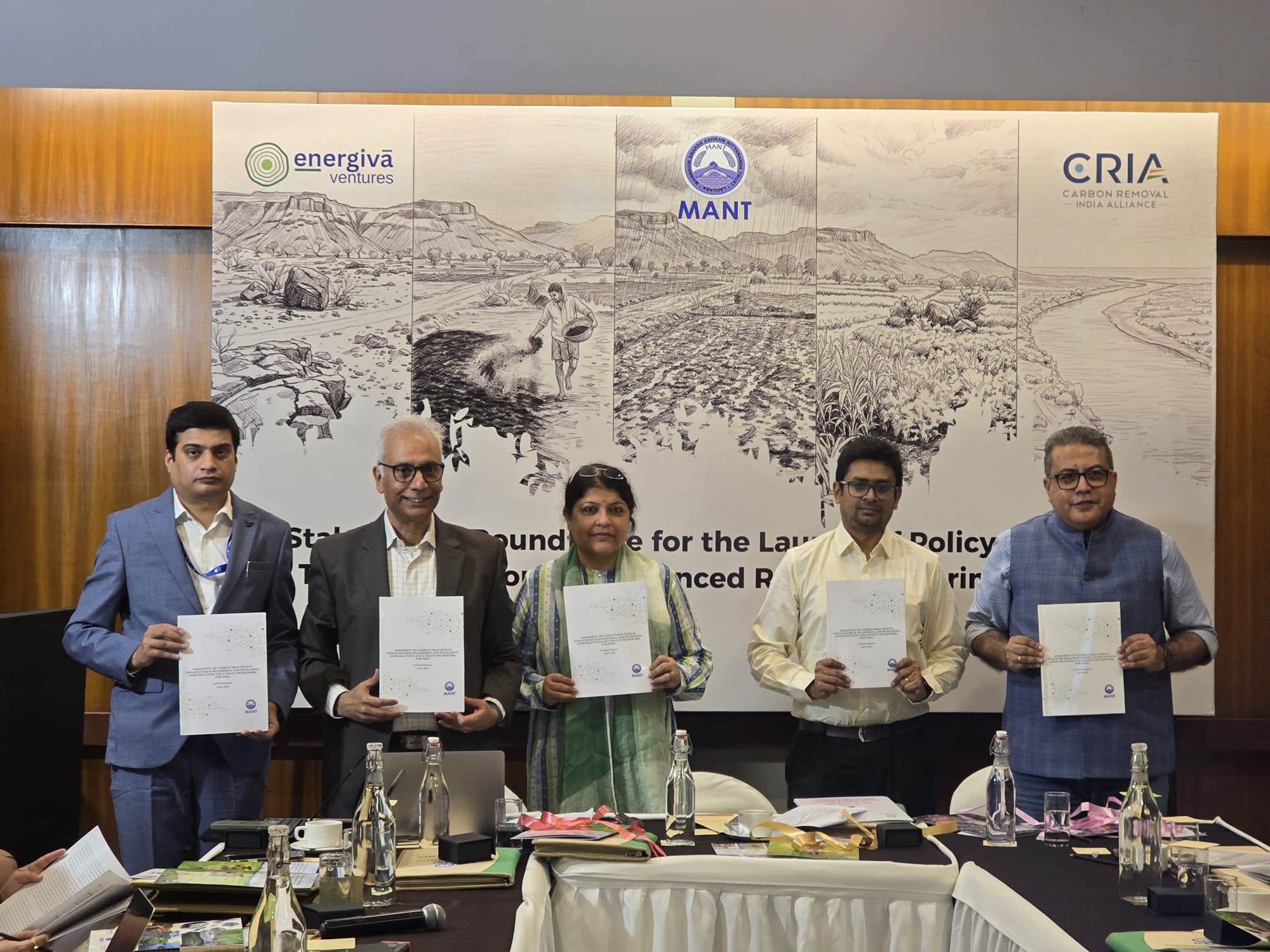
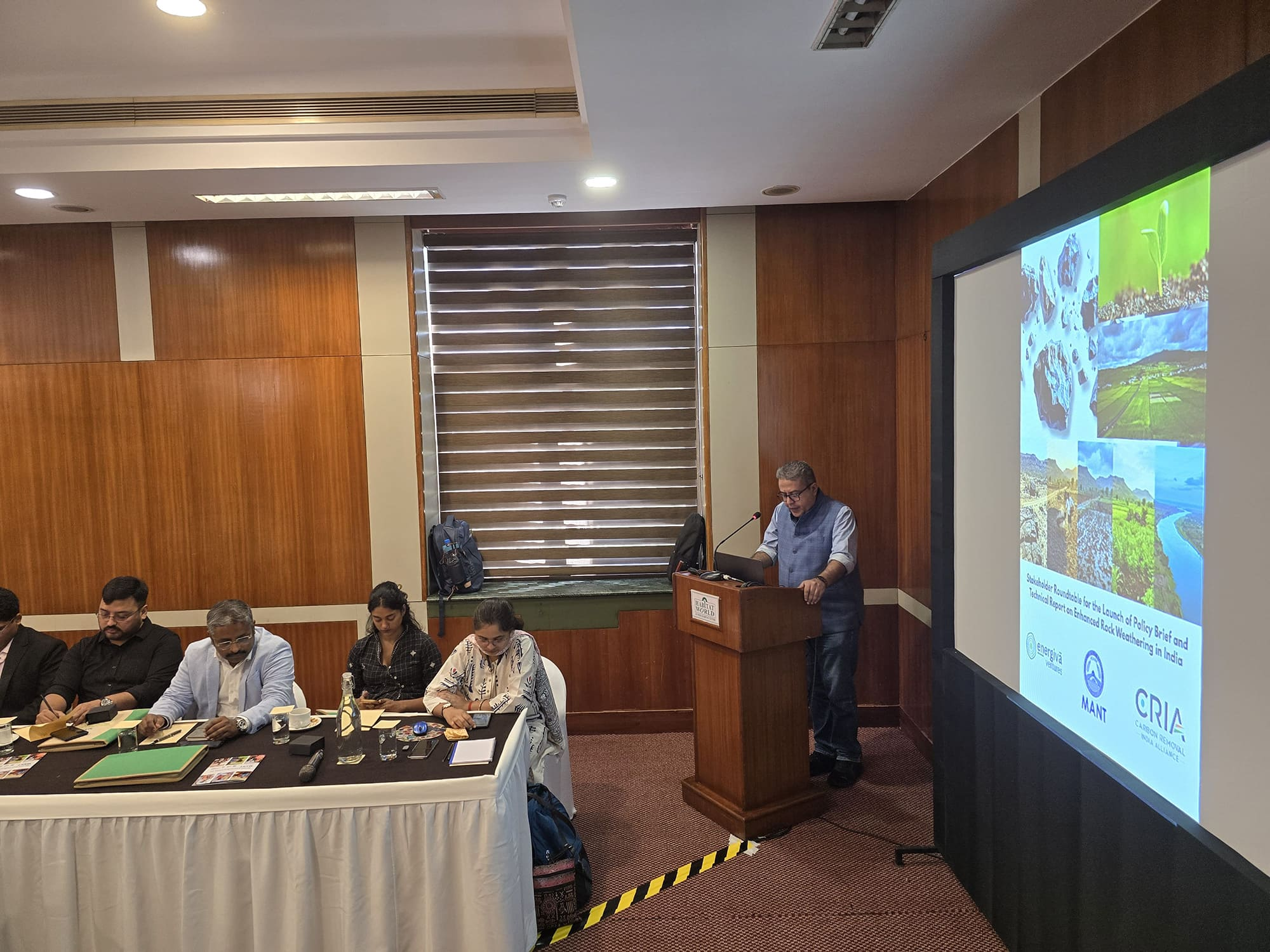
On 9 April 2026, policymakers, researchers, industry leaders, and practitioners convened at the India Habitat Centre, New Delhi, for a closed-door Stakeholder Roundtable on Enhanced Rock Weathering (ERW)—marking the official launch of a Policy Brief and Technical Report on ERW in India.
Organised by MANT in collaboration with CRIA, and supported by Energiva Ventures, the roundtable was designed not as a ceremonial release—but as a working dialogue. A space to question, align, and move forward.
Why Enhanced Rock Weathering, and Why Now?
India stands at a unique intersection.
With vast basalt reserves, an extensive agricultural landscape, and soils increasingly facing nutrient depletion and acidification, Enhanced Rock Weathering presents a rare opportunity—one that bridges climate mitigation with agricultural resilience.
At its core, ERW involves the application of finely crushed silicate rocks to farmland. The benefits are twofold:
Carbon dioxide removal from the atmosphere
Improved soil health, nutrient availability, and crop productivity
For smallholder farmers, this is not just a climate solution—it’s a livelihood intervention.
To understand the science, potential, and relevance of ERW in greater detail, explore our ERW Overview Page.
Setting the Stage: From Evidence to Dialogue
The roundtable began with a welcome and context-setting address, followed by opening remarks that framed the urgency of advancing carbon removal pathways in India.
A keynote by Dr. Neelima Alam (Department of Science and Technology) offered a broader perspective on India’s evolving climate and policy landscape—highlighting both opportunity and responsibility.
Reflections from the JBI gLOCAL Solution Room on Cervical Cancer Cervical cancer remains one of the most preventable yet devastating cancers affecting women worldwide. Despite significant advances in screening, vaccination, and treatment, thousands of women continue...
Reflections from the JBI gLOCAL 2026 Solution Room Healthcare systems around the world are increasingly recognising that sustainable improvements in population health begin within communities. On 14 May 2026, researchers, healthcare professionals, policymakers,...
Obesity: Evidence-Based Care on Prevention and Management – A gLOCAL Solution Room On 2 June 2026, healthcare professionals, researchers, policymakers, educators, and community advocates from across the globe came together virtually for the gLOCAL Solution Room titled...
Stay Up to Date With The Latest News & Updates
Join Our Newsletter
Sed ut perspiciatis unde omnis iste natus error sit voluptatem accusantium doloremque
Follow Us
Sed ut perspiciatis unde omnis iste natus error sit voluptatem accusantium doloremque